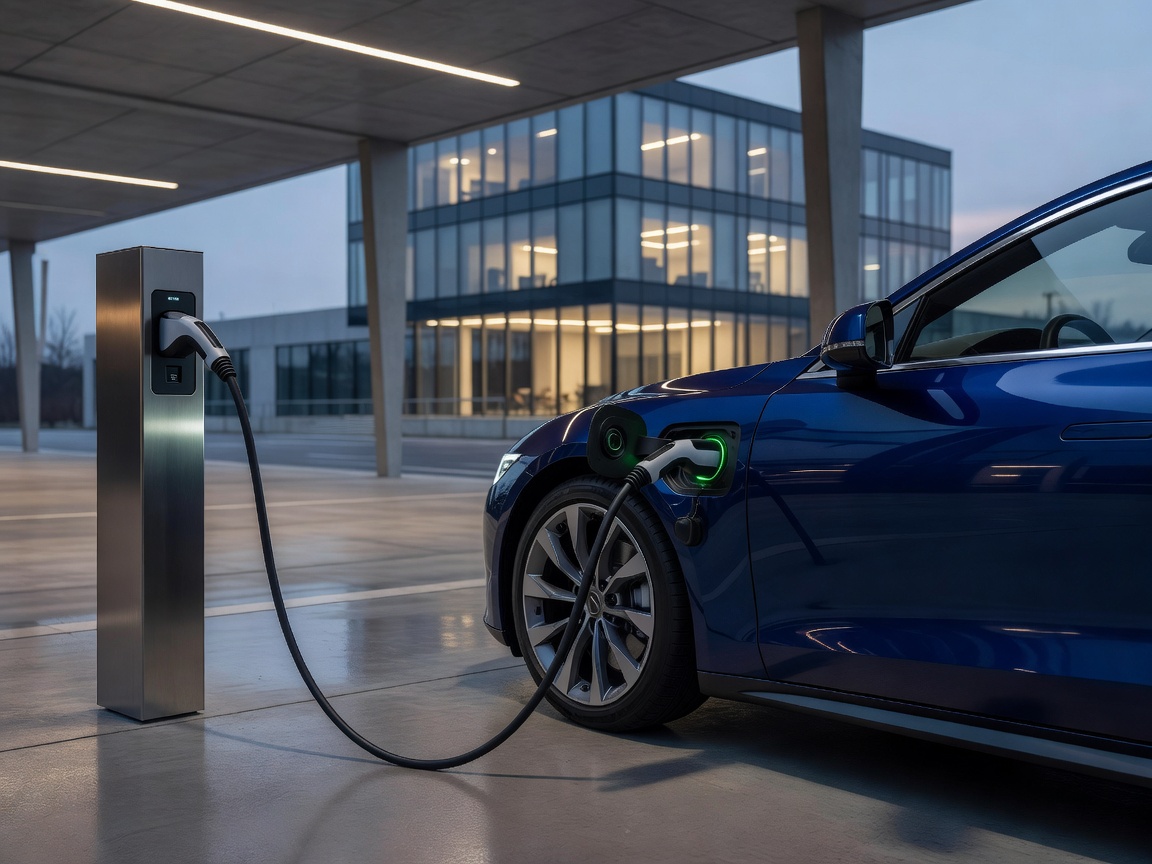
A battery-electric vehicle (BEV) uses an onboard rechargeable battery to supply one or more electric motors. There is no petrol engine driving the wheels. That changes how energy is stored, replenished and used—but the practical experience still depends on vehicle design, climate, roads and charging access.
What the battery figures mean
Battery capacity is commonly expressed in kilowatt-hours (kWh), a measure of stored energy. A quoted pack capacity may describe the whole battery, while usable energy is the portion the vehicle makes available for driving. The difference can reflect protective operating margins. Published figures are not automatically comparable: manufacturers may use different definitions, test procedures or model configurations. Check the specification notes rather than comparing a single number in isolation.
Range is an outcome, not a fixed property of the battery. Vehicle mass, aerodynamics, tyre choice, speed, elevation, temperature and accessory use all affect energy consumption. A consumption figure is generally expressed as energy used per distance; lower use for the same conditions means more efficient travel. Official test results help compare vehicles under a standard method, but actual trips can differ.
Motors, braking and heat
An electric motor converts electrical energy into turning force. Many BEVs use power electronics to control the flow of energy between battery and motor. The motor's response can feel immediate, although output and acceleration vary by vehicle and operating conditions.
Regenerative braking uses the motor to slow the vehicle and return some kinetic energy to the battery. It can reduce reliance on friction brakes in suitable situations, but it does not create energy or eliminate the need for conventional brakes. Drivers should understand their vehicle's settings and retain normal attention to traffic.
Thermal management controls battery and component temperatures. Heating or cooling can use energy, and battery temperature can affect charging and available power. In cold weather, cabin heating, cold starts, wet roads and denser air can all contribute to higher consumption. Preconditioning while connected to a suitable power source may help in vehicles that support it; consult the owner's manual for model-specific operation.
AC, DC and the charging curve
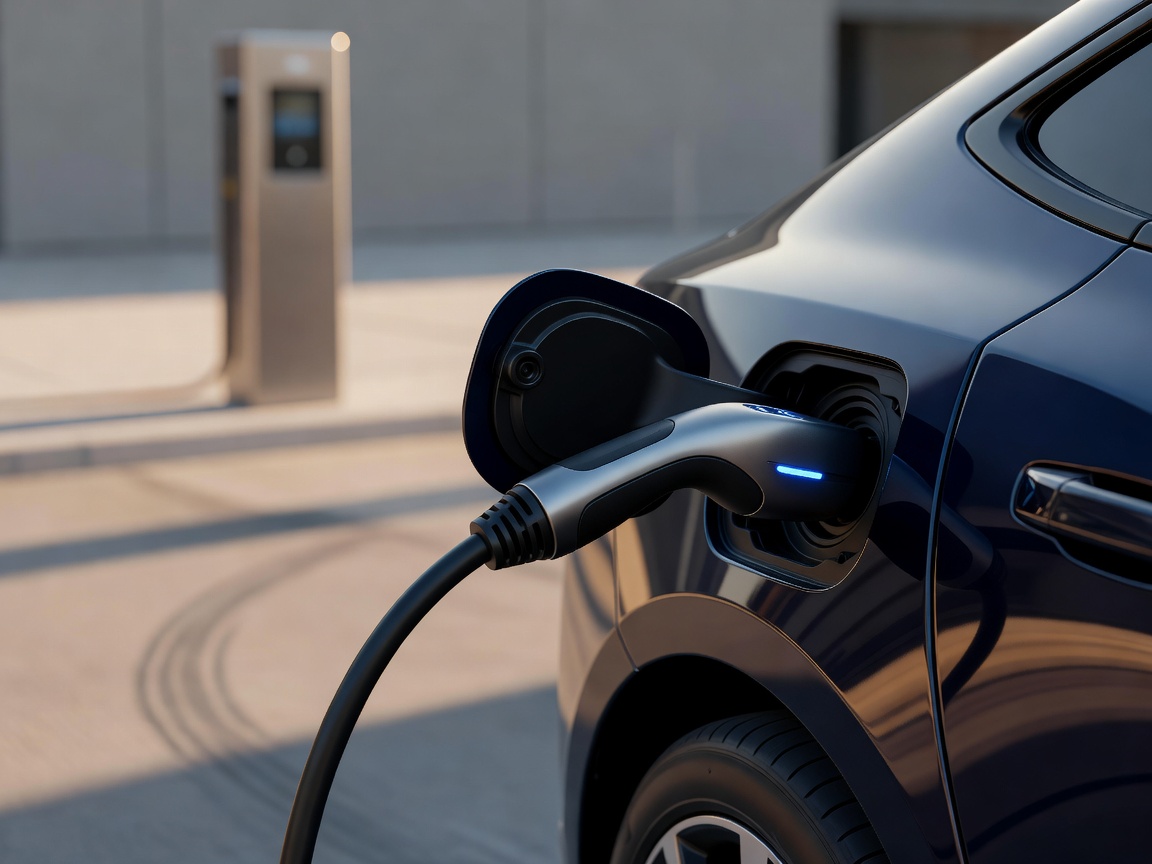
AC charging supplies alternating current, which the vehicle's onboard charger converts for battery storage. Its rate depends on the vehicle's onboard equipment and the supply installation. DC fast charging delivers direct current through compatible equipment, with conversion handled outside the car. The vehicle, charger, battery temperature and site supply all place limits on the result.
A charging curve describes how charging power changes as the battery fills. Maximum power is usually a peak, not a constant promise for an entire session. The vehicle may taper power as charge level rises or if the battery is outside its preferred temperature range. Therefore a brief peak-rate figure cannot by itself predict a stop's duration. Charging connector compatibility, tariffs, payment arrangements and station availability should be checked independently for a specific trip.
Advantages and trade-offs
Potential advantages
- No tailpipe exhaust while driving.
- Energy can be replenished at home or elsewhere where compatible charging is available.
- Regenerative braking and electric drive can make low-speed travel smooth.
- Fewer engine-related service items than a combustion vehicle, though maintenance is still required.
Practical limitations
- Charging time and access vary with home setup, location and network.
- Long journeys need realistic charging and contingency planning.
- Cold conditions and high-speed driving can increase energy use.
- Purchase, service and battery arrangements vary by model and market.
Longevity and ownership questions
Battery longevity is influenced by chemistry, temperature, usage and charging patterns. No single habit guarantees a particular lifespan. Follow the vehicle maker's charging guidance, use suitable equipment and pay attention to battery-care recommendations in the manual. Ask how battery health is assessed, what warranty terms apply and whether those terms transfer to a later owner. Avoid treating a warranty threshold as a prediction of when a battery will fail.
When comparing vehicles, consider usable capacity, independent test methodology, efficiency, charging compatibility, cabin needs and the charging routine you can realistically support. A larger battery may offer a different balance of mass, cost and flexibility; it is not automatically the best fit for every driver.
Related guides
Keep exploring
Have an EV technology question?
Send the editorial team a topic suggestion or a request for a plain-English explanation.