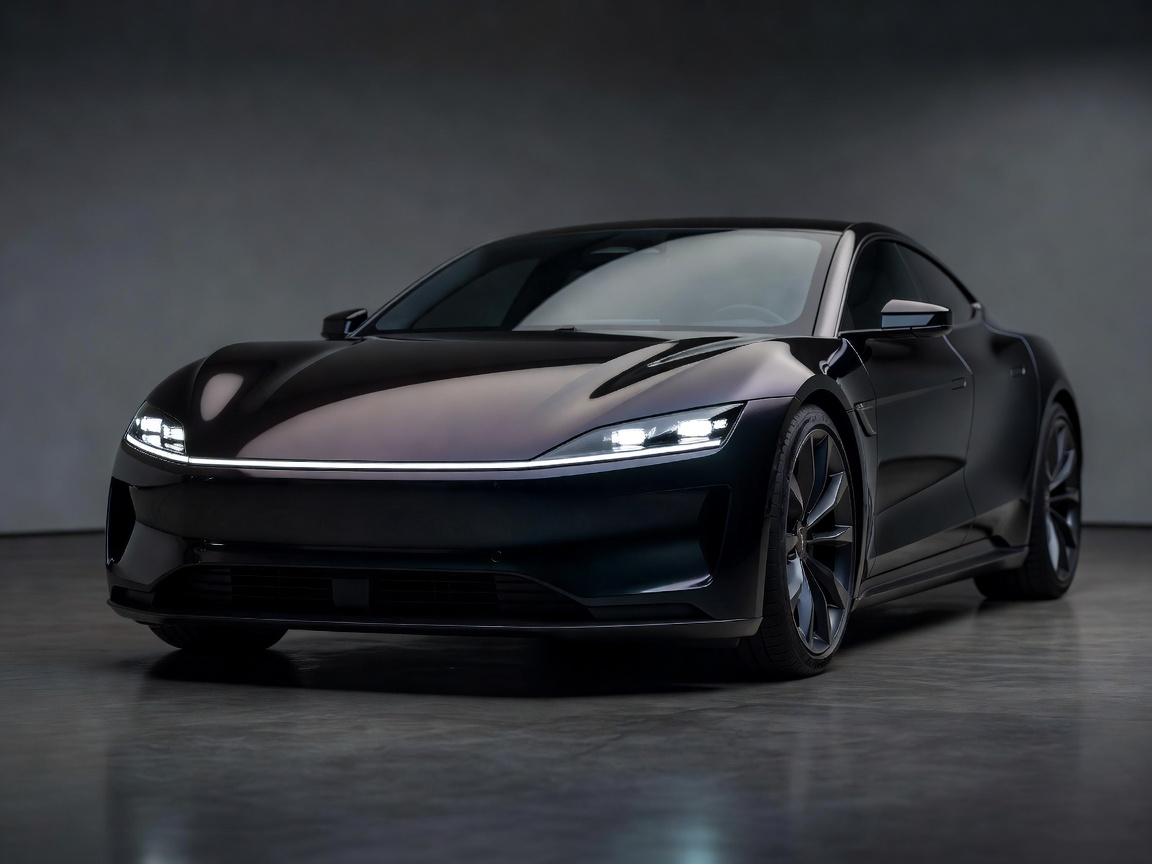
01 / Electric power · 8 min guide
Electric Vehicle Technology
Understand batteries, motors, charging and efficiency without getting lost in specification sheets.
Battery systemsCharging
Explore EV technology The Future Auto Atlas
A thoughtful guide to the changing relationship between vehicles, electricity, software, sensors, connectivity and the people who use them.
A field guide for curious drivers
From the battery beneath the floor to the software behind the screen, today’s car is a connected system. We unpack how its parts work, where they help, and what is worth asking before you rely on them.
Explore the atlas
Start with a topic. Follow the links between power, intelligence and everyday mobility.
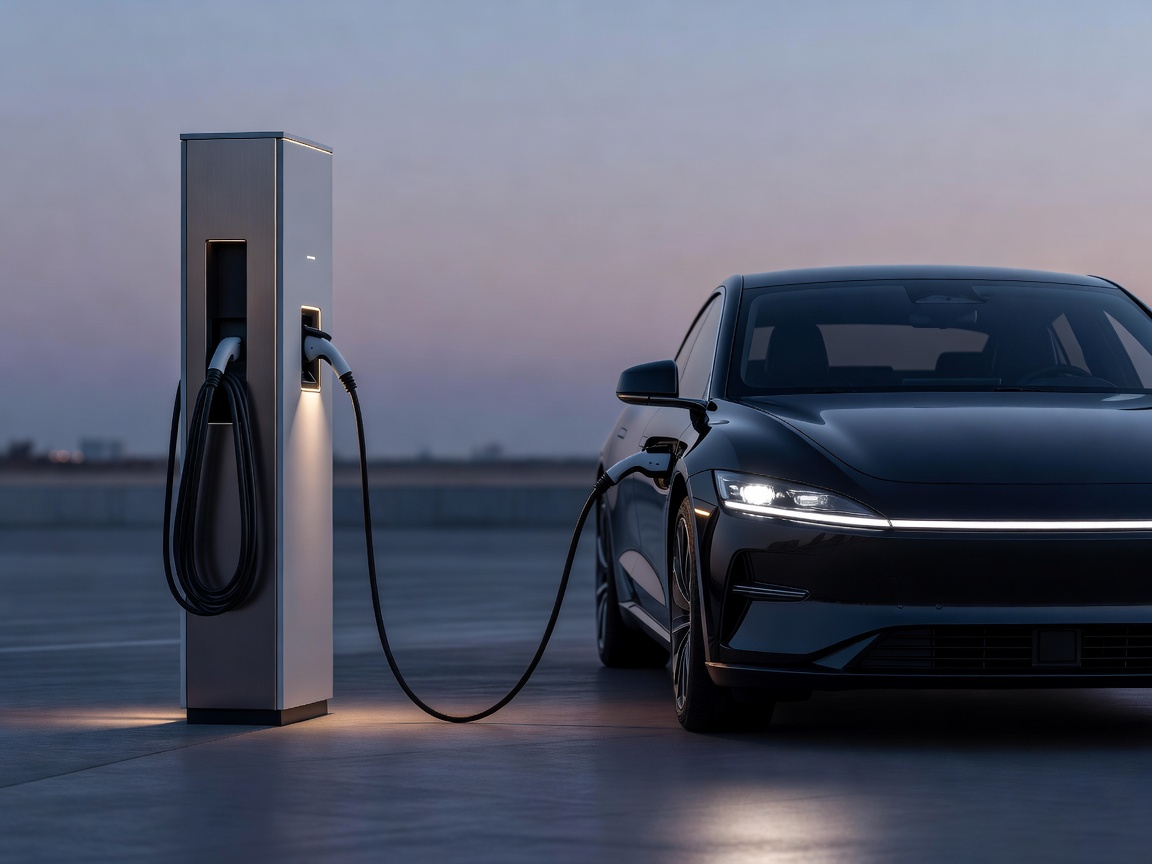
01 / Electric power · 8 min guide
Understand batteries, motors, charging and efficiency without getting lost in specification sheets.

02 / Vehicle intelligence · 7 min guide
See how cameras, radar and carefully bounded assistance features support—but do not replace—the driver.
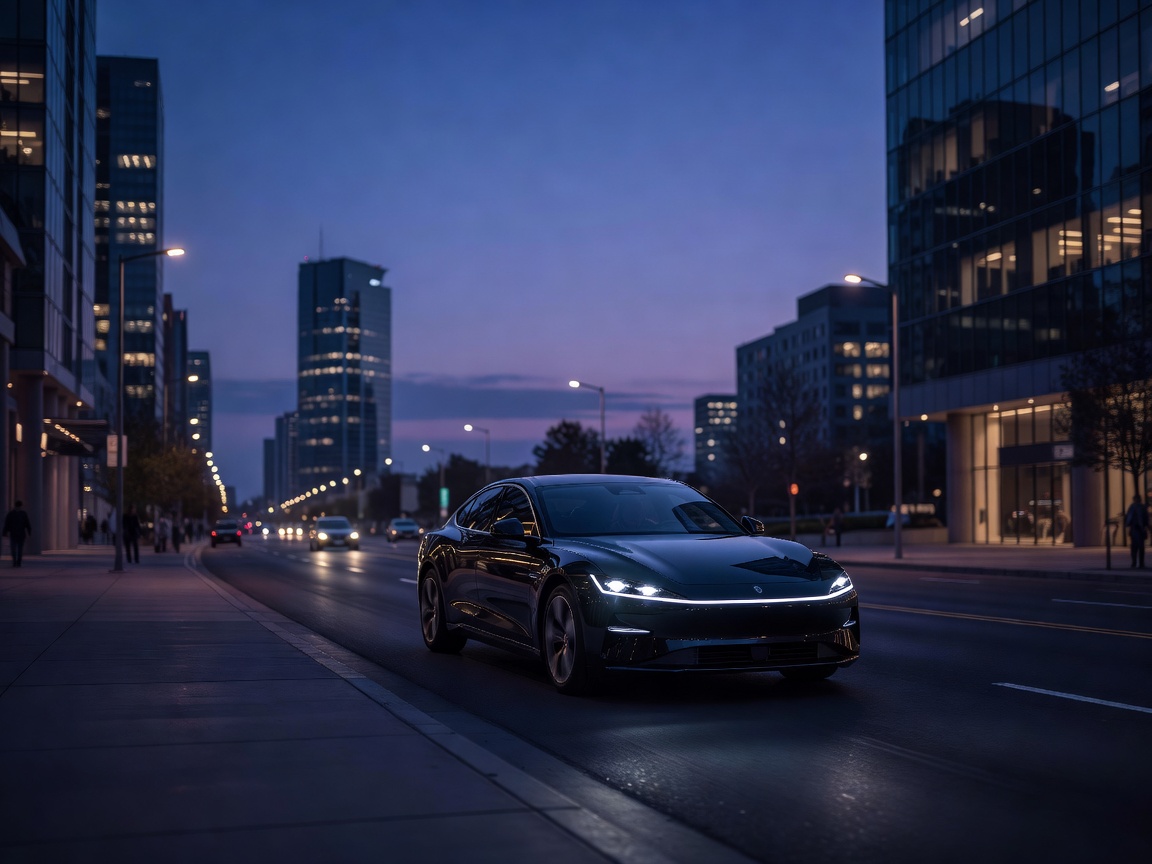
03 / Software & connection · 6 min guide
Explore vehicle connectivity, updates, remote services and the privacy choices that come with them.
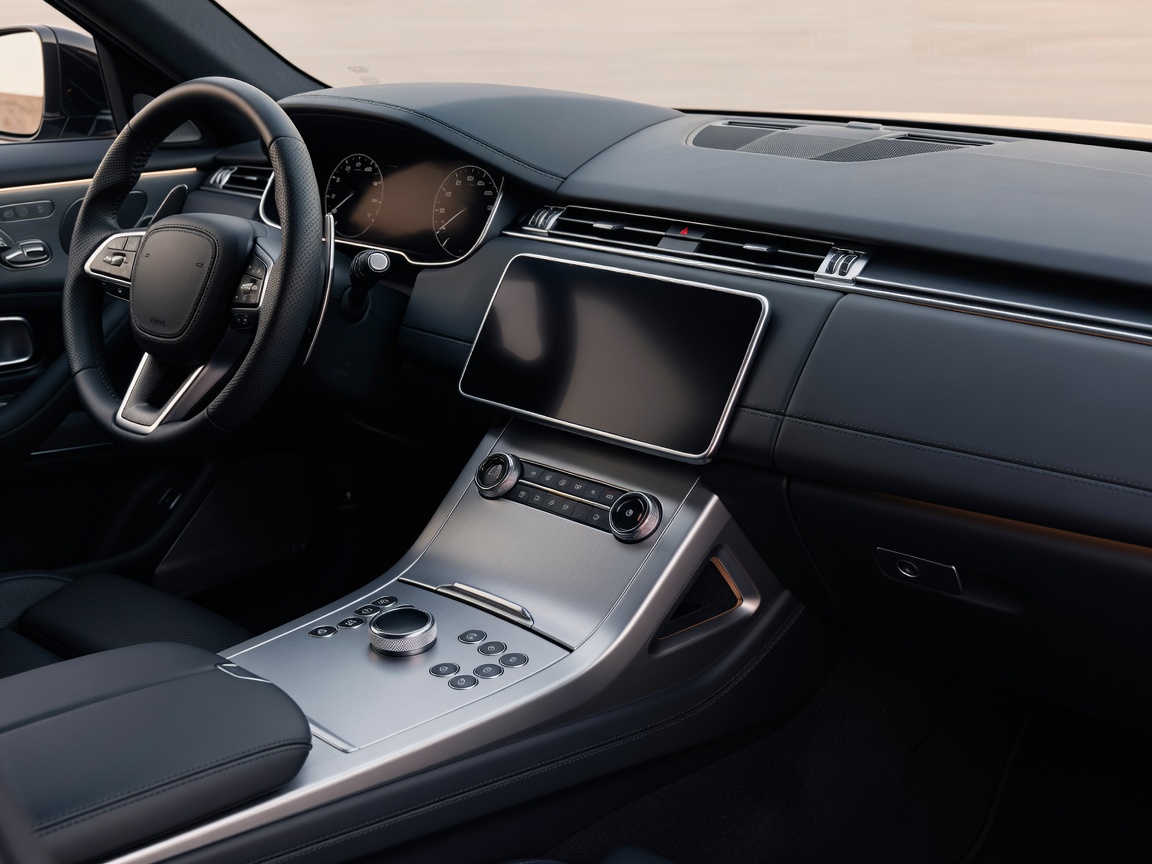
04 / Human-centred design · 7 min guide
Consider displays, voice interfaces and cabin sensing through the lens of comfort, attention and usability.
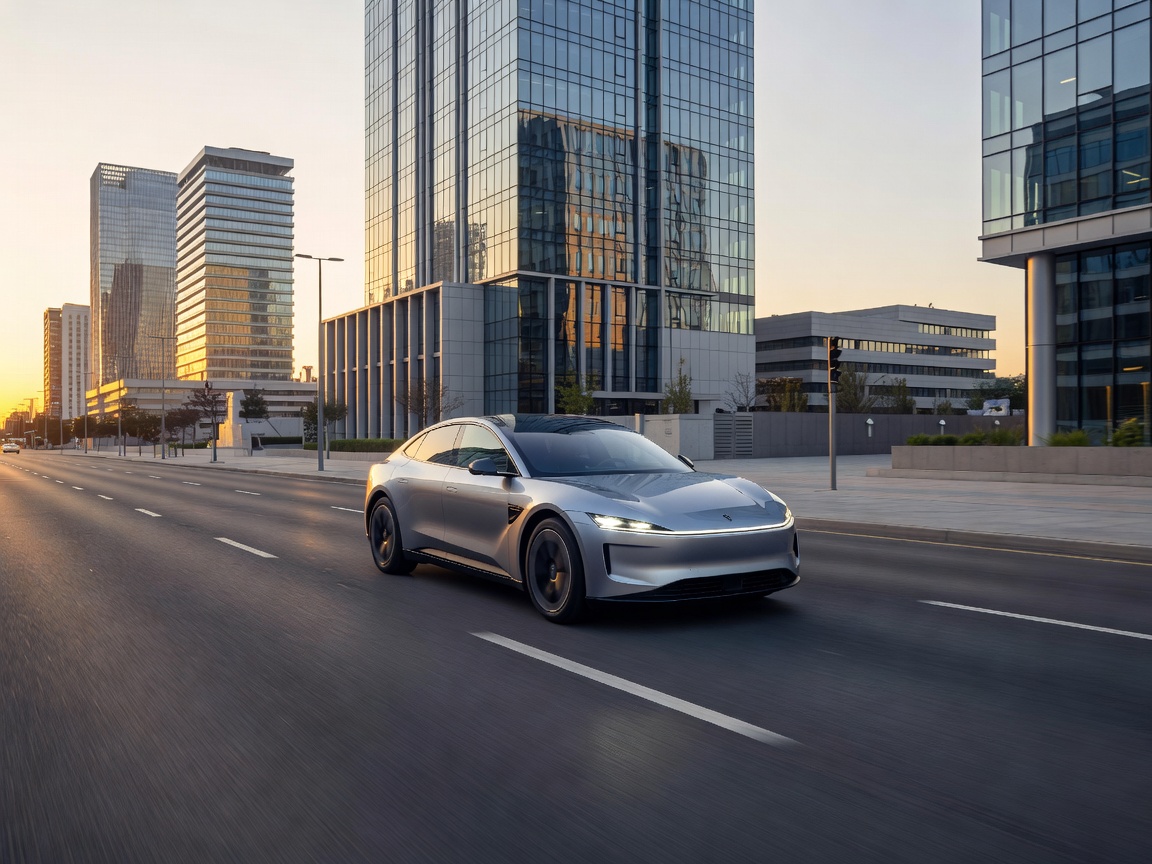
05 / Mobility systems · 9 min guide
Separate present-day assistance from automation concepts, shared travel and the infrastructure still taking shape.
01 / Electric power
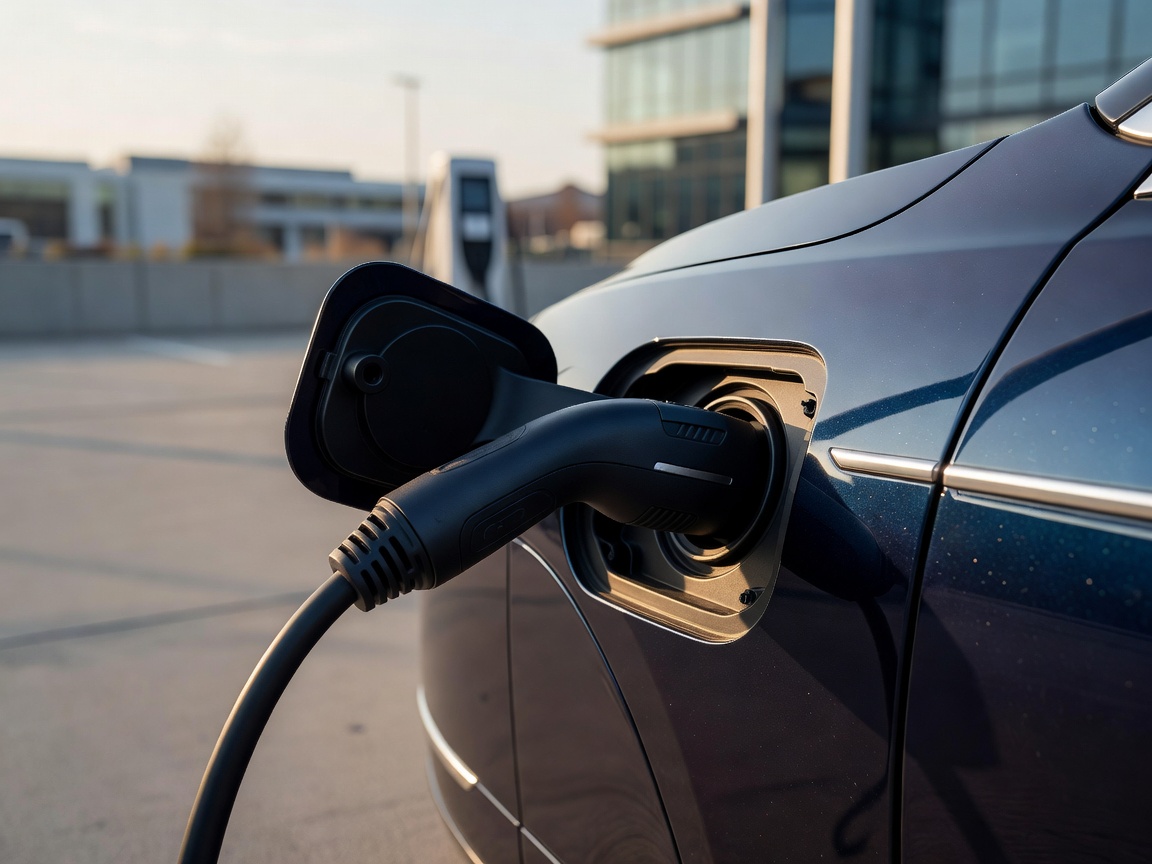
A battery stores usable energy, an inverter manages electrical power, and a motor turns that power into motion. Regenerative braking can return some energy during deceleration. Cooling and heating systems help components operate within suitable temperature ranges.
Charging time, efficiency and winter performance depend on a collection of vehicle, environment and supply factors—not one headline number.
Understand electric power02 / Vehicle intelligence
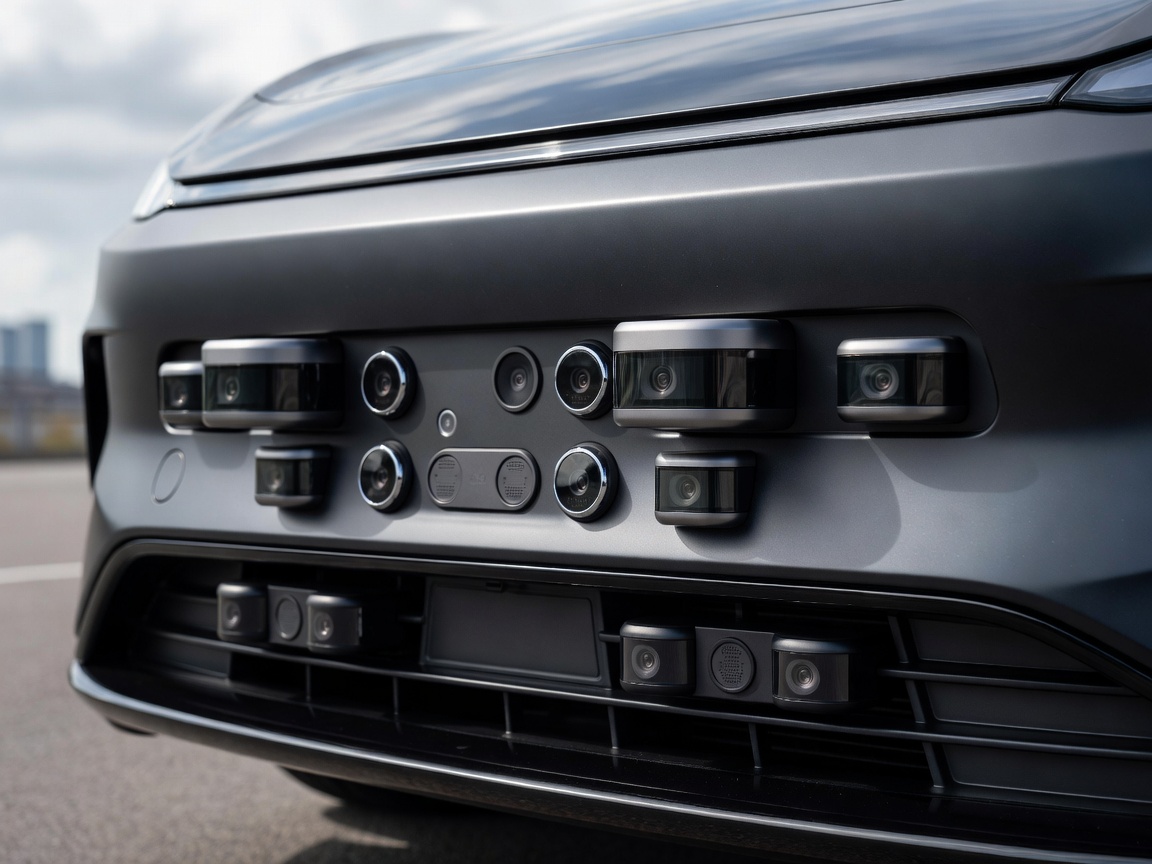
Cameras interpret visible scene detail; radar can measure distance and relative motion. Lidar is another sensing approach used in some development and vehicle contexts. Combining inputs may help a system build a more useful picture, but weather, visibility, road markings and unusual situations still matter.
Driver assistance is not the same as autonomous driving. The person behind the wheel remains responsible unless a clearly defined, legally permitted system says otherwise.
Explore vehicle sensing03 / Connected cars
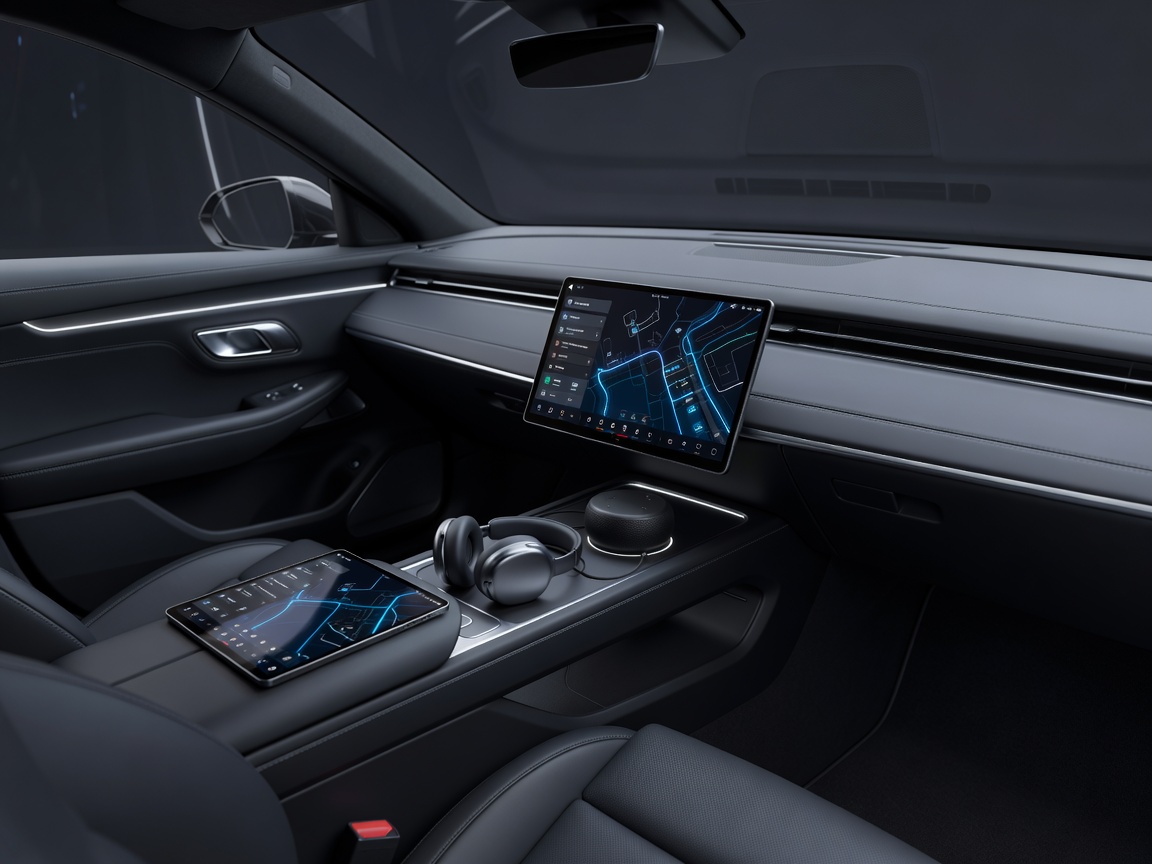
Cellular links and software can support navigation, remote functions, diagnostics and updates. The exact services vary by vehicle, market, account and network availability. Some functions rely on a continuing software service, so ownership questions extend beyond the hardware itself.
Understand what data is collected, which features need a connection and how long software support is expected to last.
Explore connected systems04 / Intelligent interiors
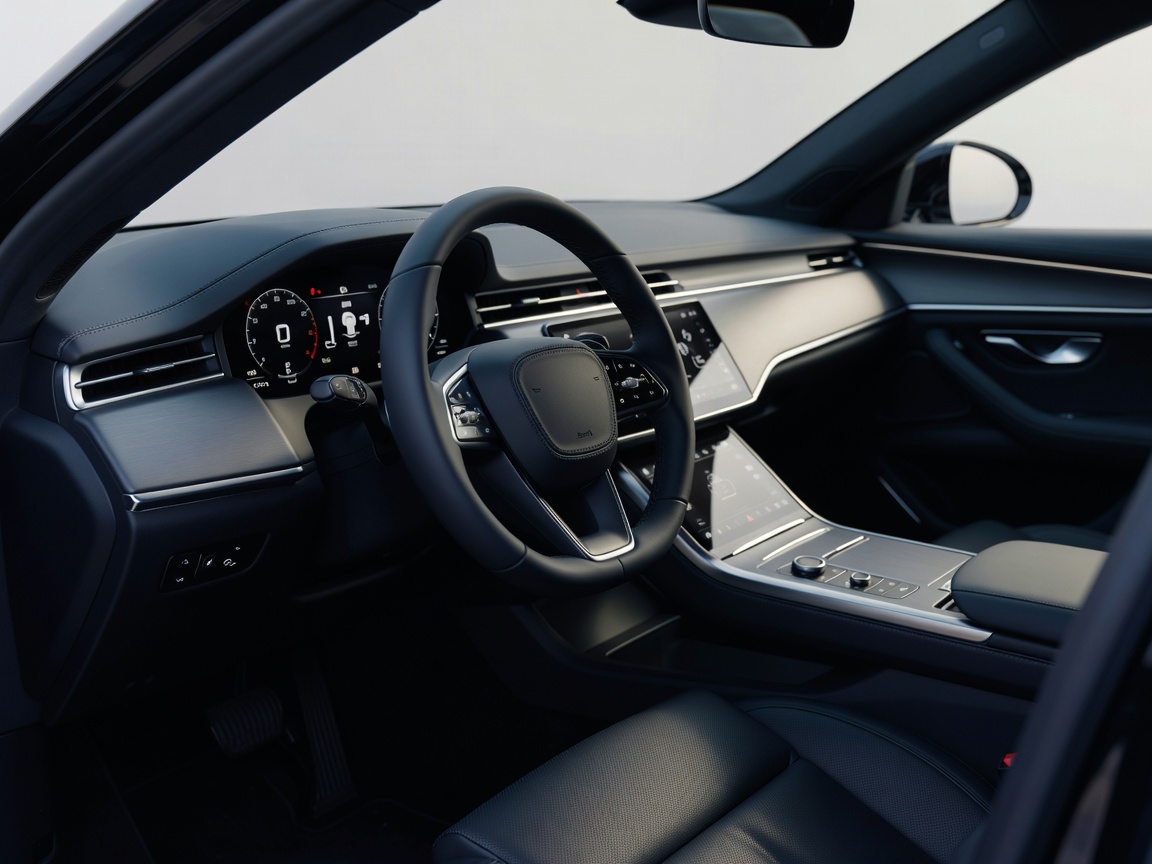
Digital clusters, head-up displays and voice interfaces can put information within reach. Yet driving demands attention. Clear hierarchy, sensible defaults and physical controls for frequently used functions can matter as much as screen size or animation.
The best cabin technology supports a task without making the task itself harder to understand.
Explore cabin technology05 / Future mobility

Automation research, shared mobility, smart charging and connected infrastructure each depend on more than a vehicle. Reliable operation also involves road design, communication, energy supply, regulation, cybersecurity and public confidence.
Explore the ideas while keeping a clear distinction between research, limited deployments and features available for everyday use.
Explore mobility conceptsA useful next step
Our guides are independent educational explainers, not vehicle recommendations or manufacturer material.